.webp)


A successful summer fitness bootcamp comes down to three things: structured programming, the right outdoor location, and consistent client engagement. Get these right and you create a program clients actually stick with.
Summer is the ideal time to run it. As the weather improves, more clients are looking for ways to train outdoors, and the broader market reflects that shift.
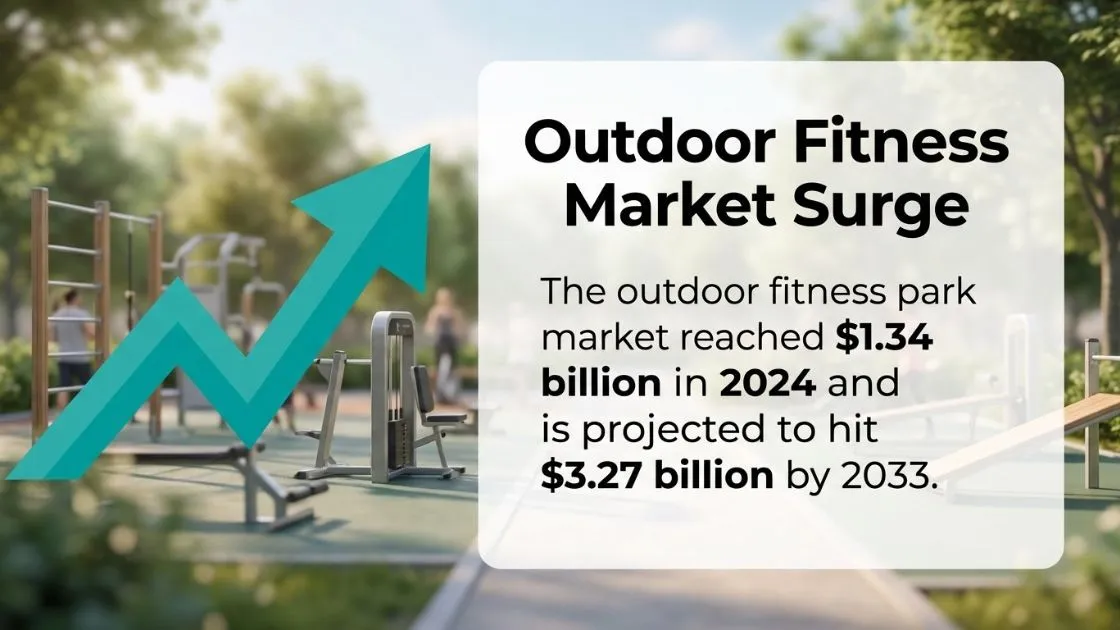
The outdoor fitness park market reached $1.34 billion in 2024 and is projected to reach $3.27 billion by 2033, growing at an annual rate of 10.2%.
That demand is already showing in client behavior. Nearly one in four gym members worked with personal trainers in 2024, and one-third participated in small-group training.
With a $45+ billion fitness industry and 77 million active memberships, there is a clear opportunity for well-structured bootcamps.
In this guide, you will learn how to plan and run a complete 2-week summer bootcamp. We cover location selection, equipment, session structure, scheduling, and the practical details that keep everything running smoothly.
Whether you are launching your first bootcamp or improving an existing one, the focus is simple. Give you a clear framework you can apply straight away.
Summer fitness bootcamps combine outdoor training with structured programming. They differ from regular group classes through their comprehensive approach to total-body fitness.
Bootcamps blend cardio, strength training, and core work into circuit-style workouts. This format keeps intensity high while allowing progression for all fitness levels. Participants move through exercise stations with minimal rest between sets.
The outdoor element adds psychological benefits beyond physical training. Fresh air and natural settings enhance motivation. Weather considerations matter, but proper planning addresses this challenge.
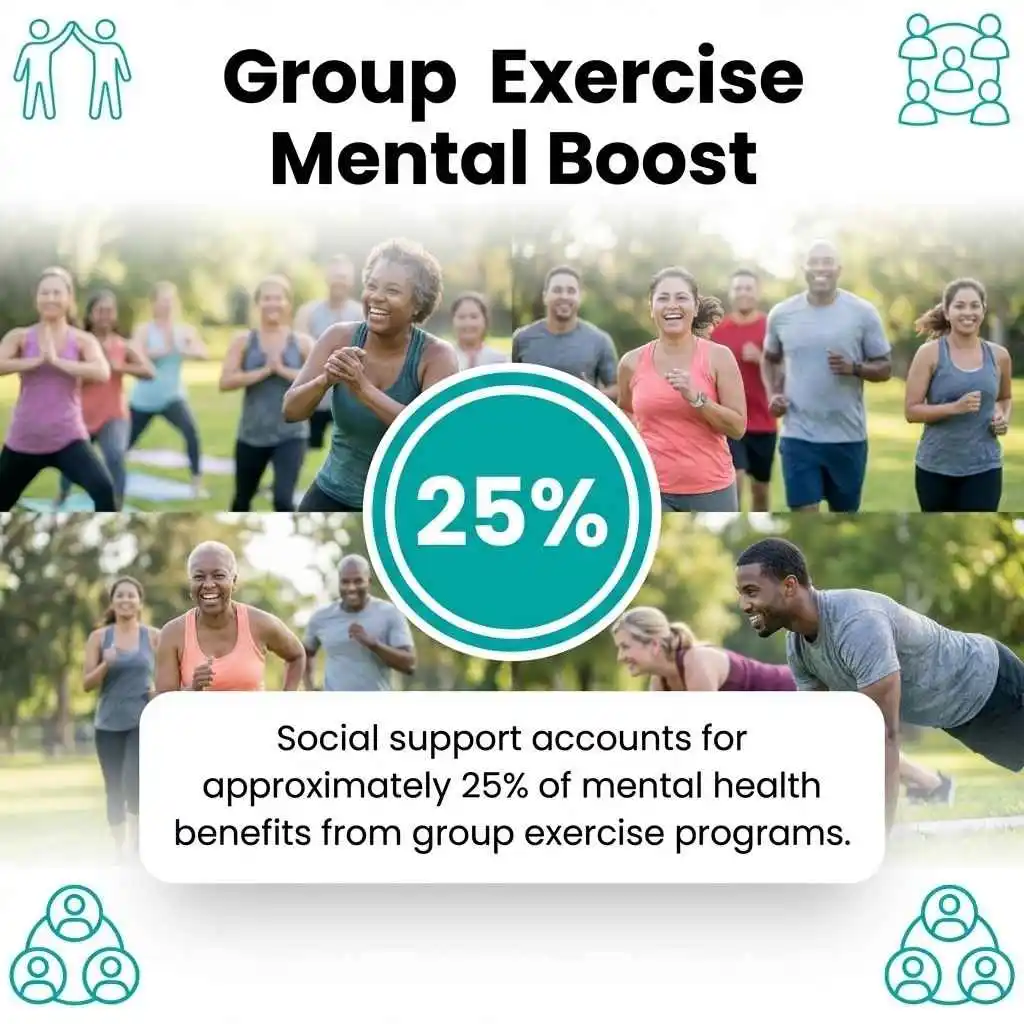
Group dynamics drive bootcamp effectiveness. Social support accounts for approximately 25% of mental health benefits from group exercise programs. Participants push harder when training alongside others.
Bootcamps typically run 45-60 minutes per session. This duration allows sufficient volume without excessive fatigue. Three to four sessions weekly provide optimal frequency for most participants.
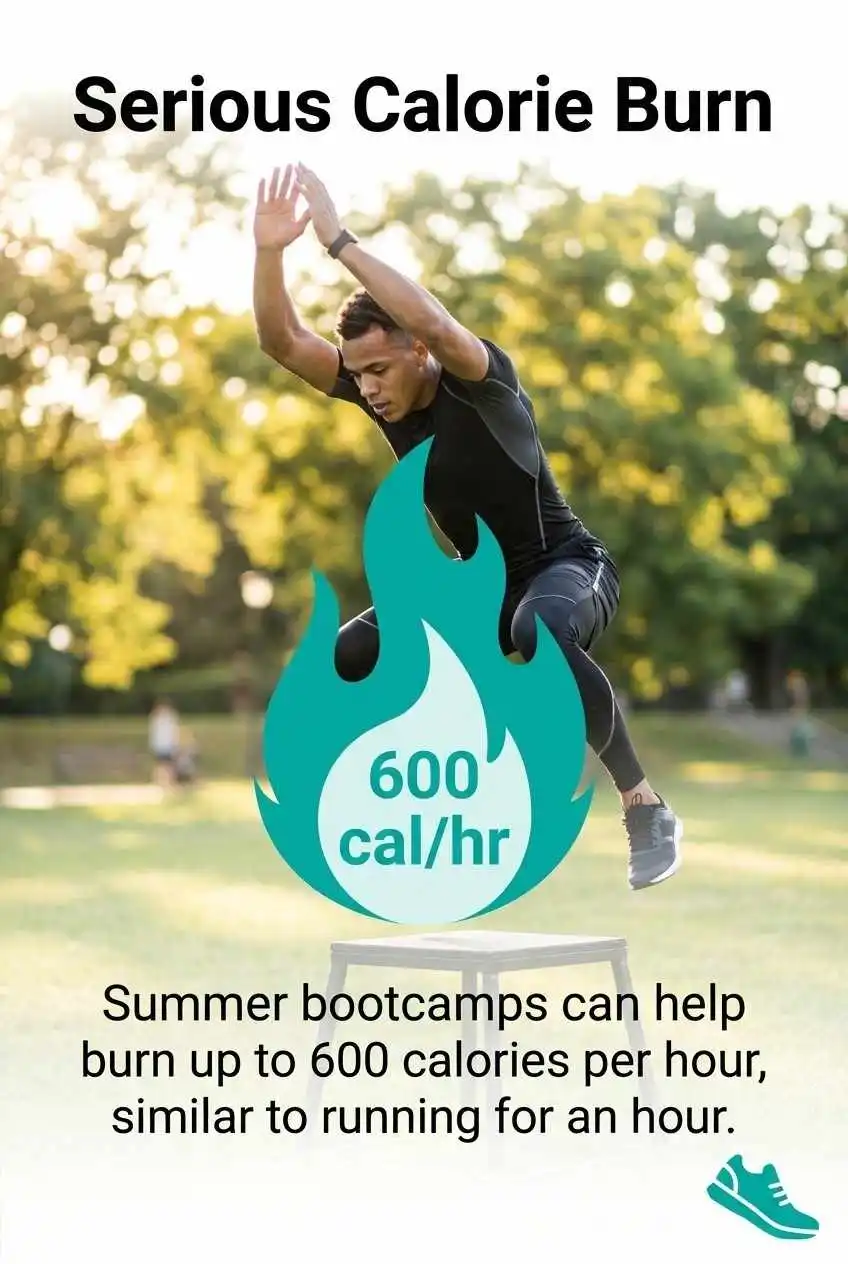
Overall, joining a summer fitness bootcamp offers numerous physical and mental benefits due to itshigh-intensity functional training showing similar energy expenditure.
Financial planning determines whether your bootcamp remains profitable in the long term. Costs vary depending on equipment, insurance, marketing, and whether you run sessions in public parks, rented outdoor spaces, or private facilities.
For many trainers, outdoor bootcamps offer a lower-cost entry point than opening a full fitness facility. Startup costs can range from relatively lean setups with minimal equipment to significantly larger investments for premium locations, branded gear, and expanded class capacity.
Bootcamp pricing often works best when it encourages commitment and consistent attendance. Common models include per-session rates, weekly or monthly packages, or full-program fees.
Per-session pricing gives clients flexibility but can lead to inconsistent attendance. Full-program fees improve upfront cash flow and often increase completion rates by encouraging clients to commit to the entire program. Weekly/monthly packages offer a middle ground between flexibility and structure.
Some bootcamp trainers also adjust pricing based on demand, charging premium rates for high-attendance evening sessions while keeping quieter morning slots more accessible. Dynamic pricing models can help maximize both attendance and revenue across your schedule.

Liability insurance protects your business from injury claims. Outdoor training increases certain risks compared to controlled gym environments.
Written waivers from all participants document informed consent. Include health screening questions to identify pre-existing conditions that may require exercise modifications.
Location permits may be required for public parks or beaches. Check local regulations before advertising your bootcamp location.
Location selection impacts attendance, exercise variety, and participant experience. The ideal outdoor venue balances accessibility with sufficient space and amenities.
Public parks offer free or low-cost access. They typically include open grass areas for agility drills and running space for cardio intervals. Park benches, stairs, and playground equipment provide built-in exercise stations.
Beach locations create unique training environments. Sand increases exercise difficulty, engaging stabilizer muscles more than firm ground. However, sand limits certain movements and equipment options.
Evaluate potential venues using these factors:
Visit locations during your planned session times. Early morning sessions at 6 AM face different conditions than evening sessions at 6 PM. Checking venues during peak training hours also helps you evaluate parking, foot traffic, noise levels, and overall session flow.
Fitness industry data shows gym attendance typically peaks Monday through Wednesday between 5 and 6 PM, which may influence your bootcamp scheduling decisions.
Summer weather remains generally favorable, but rain happens. Develop a backup location or a “training in all weather” policy before your bootcamp starts.
Options include covered pavilions in parks, parking garages with sufficient space, or partnering with a gym for emergency indoor access. Communicate backup plans clearly so participants know where to go when conditions change.
Heat management matters more than rain for summer bootcamps. Schedule sessions before 9 AM or after 6 PM during peak summer months. Require participants to bring water bottles and take scheduled hydration breaks.
Equipment selection determines exercise variety and program scalability. Portable, durable items work best for outdoor environments.
Start with bodyweight exercises if budget limits initial equipment investment. Push-ups, squats, lunges, and planks require zero equipment while delivering effective training stimulus.
As you expand, strategic equipment purchases increase programming options without excessive cost.
These items provide maximum exercise variety relative to cost and portability:
Dumbbells should include light (5-10 lbs), medium (12-20 lbs), and heavy (25-35 lbs) options. This range accommodates participants from beginners to advanced across different exercises.
Resistance bands come in varying resistance levels. Purchase sets with light, medium, and heavy bands so participants can select an appropriate difficulty level.
These items enhance programming but aren't essential for starting:
Add optional equipment once your bootcamp generates consistent revenue. Each addition should address a specific programming limitation or add measurable value for participants.
This program structure provides a tested framework for summer fitness bootcamps. Adapt exercise selection based on your equipment and participant fitness levels.
The program runs three sessions per week for two weeks, for a total of six workouts. This frequency allows recovery while maintaining training momentum. Rest days fall on Tuesday, Thursday, Saturday, and Sunday.
Each session follows this structure: a 5-minute dynamic warm-up, a 40-minute main workout, a 10-minute cool-down, and stretching. Total session time remains under 60 minutes. Sessions combine strength training, cardio intervals, and core work for total-body conditioning.
Progressive overload drives results. Week 2 increases difficulty by adding sets, shortening rest periods, or progressing exercises.
Exercise variety prevents boredom while targeting different movement patterns. Each session emphasizes different muscle groups to allow recovery between workouts.
Modifications accommodate beginners. Provide regression options for complex movements and progression options for advanced participants.
Week 1 establishes movement patterns and baseline intensity. Focus on proper form over speed or weight selection.
Warm-up (5 minutes):
Main workout (40 minutes) - Circuit format, 3 rounds:
Rest 60-90 seconds between rounds. Circuit completion takes approximately 12-15 minutes per round.
Warm-up (5 minutes):
Main workout (40 minutes):
Cardio intervals (20 minutes): Sprint 30 seconds, walk 60 seconds. Repeat 12 times. Mark a 40-yard distance using cones for a consistent sprint length.
Core circuit (20 minutes) - 4 rounds:
Warm-up (5 minutes): Same as Monday.
Main workout (40 minutes):
Upper body strength (25 minutes) - 4 rounds:
Agility finisher (15 minutes): Set up a cone course for lateral shuffles, forward sprints, and backpedaling. Each participant completes 6 rounds through the course.
Week 2 increases volume and reduces rest periods. Add weight to strength exercises where appropriate based on Week 1 performance.
Warm-up: Same as Week 1 Monday.
Main workout (40 minutes) - Circuit format, 4 rounds (increased from 3):
Rest 45-60 seconds between rounds (reduced from 60-90 seconds).
Warm-up: Same as Week 1 Wednesday.
Main workout (40 minutes):
Cardio intervals (20 minutes): Run 40 seconds, walk 50 seconds. Repeat 12 times. Increased run duration creates higher overall intensity.
Core circuit (20 minutes) - 5 rounds (increased from 4):
Warm-up: Same as Week 1 Friday.
Main workout (40 minutes) - Timed challenge format:
Participants complete as many rounds as possible in 30 minutes:
Track rounds completed for each participant. This creates measurable progress data and competitive motivation.
Operational systems determine whether your bootcamp scales successfully. Client management, scheduling, and communication require structured processes.
Digital tools streamline these operations. Text messaging-based marketing improves the efficiency of business communication, benefiting bootcamp promotion and participant updates.
Collect payments before sessions begin. Pre-payment reduces no-shows and ensures committed participants. Offer online payment options for convenience.
Track attendance digitally rather than paper check-ins. This creates data on participation patterns and helps identify at-risk clients who miss multiple sessions.
Send automated reminders 24 hours before each session. Include location details, what to bring, and weather-related updates.
Establish communication channels before your bootcamp starts. Group messaging works well for session updates and motivational content between workouts.
Respond to questions within 24 hours. Fast communication builds trust and demonstrates professionalism.
Share progress photos and success stories (with permission). This builds community and provides social proof for marketing purposes.
Document each session's programming. Record exercises, sets, reps, and any modifications made. This creates reference material for future bootcamp cycles.
Track participant progress through regular assessments. Measure push-ups completed, plank hold times, or sprint speeds every two weeks. Visible improvement drives motivation.
Collect feedback after each bootcamp cycle. Ask what worked, what didn't, and what participants want added. Use this input to refine your next program.
Consider implementing strategic workout scheduling to optimize results. Proper timing and program structure significantly impact outcomes.
You now have a complete framework for running summer fitness bootcamps. The program structure works, the location criteria ensure suitable venues, and the equipment list provides what you need without excessive investment.
Implementation determines results. Start by securing your outdoor location and purchasing core equipment. Build your 2-week program using the provided templates, adapting exercises to available equipment and clients' fitness levels.
Marketing your bootcamp requires clear communication of program benefits. Emphasize the total-body workout approach, outdoor training environment, and structured progression that delivers results. Help participants set fitness goals before the bootcamp begins to increase commitment and completion rates.
Consider these immediate action steps:
Managing client programs becomes simpler with proper systems. Program creation principles apply equally to bootcamps and individual training.
Your bootcamp succeeds when participants see results and enjoy the experience enough to register for future cycles. Focus on proper exercise instruction, supportive group dynamics, and consistent communication. These elements create retention and referrals.
Running a successful bootcamp also requires systems outside the workout itself. You need a way to track client progress, deliver at-home sessions between classes, maintain accountability, and keep communication organized throughout the program.
PT Distinction supports these areas by allowing trainers to deliver workouts, automate check-ins and group communication, monitor client progress, and run email campaigns to improve engagement during multi-week bootcamp programs.
The training itself gets clients results. The experience around it is what keeps them engaged and coming back for the next bootcamp cycle.
Ready to streamline your fitness business operations? Start your free trial and discover how the right software makes it significantly easier to manage bootcamps, track client progress, and scale your fitness business.
Ready to join the family?
We'll get you up and running in no time. Start with our zero-risk free trial and build your personal training empire today.