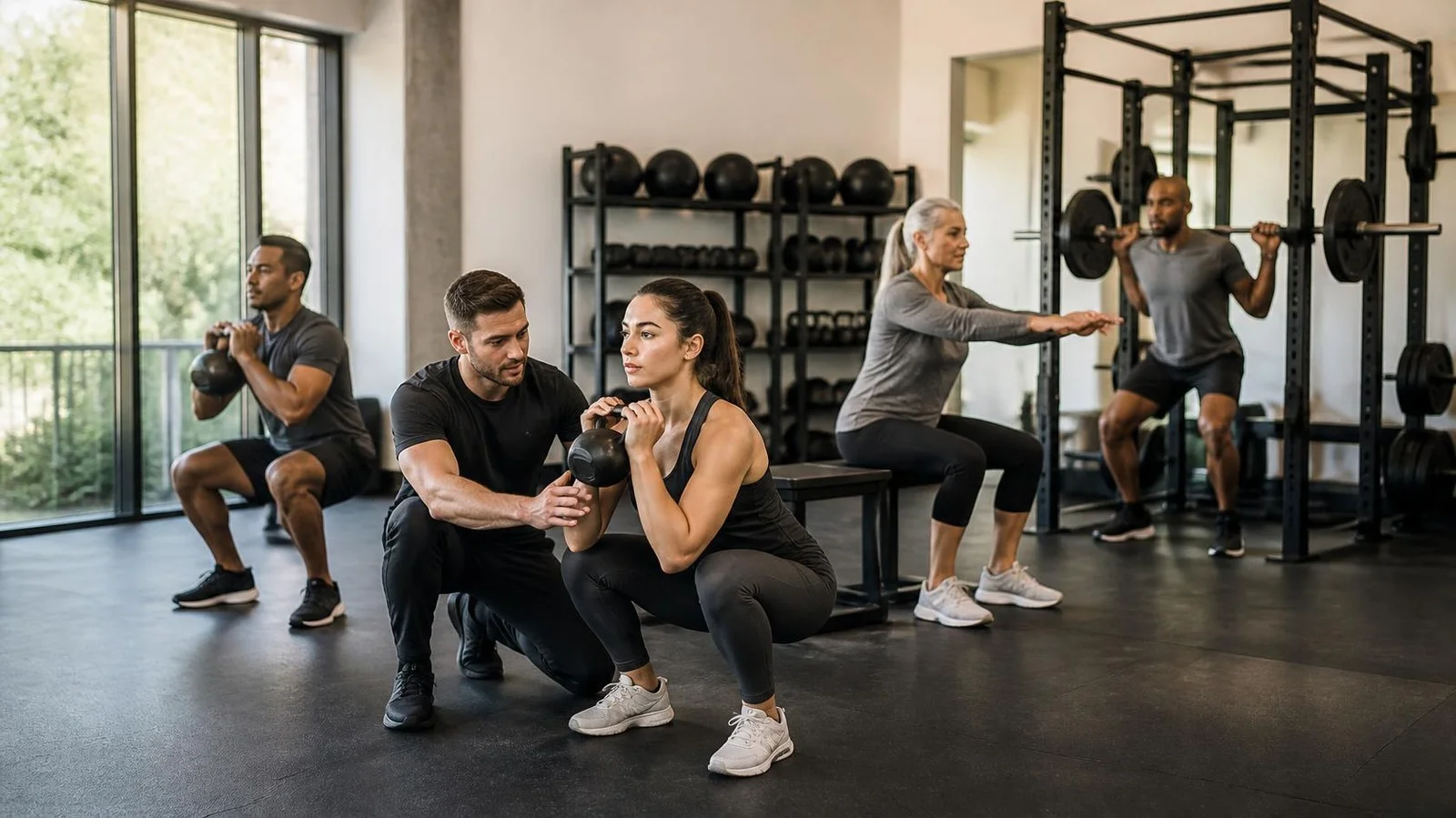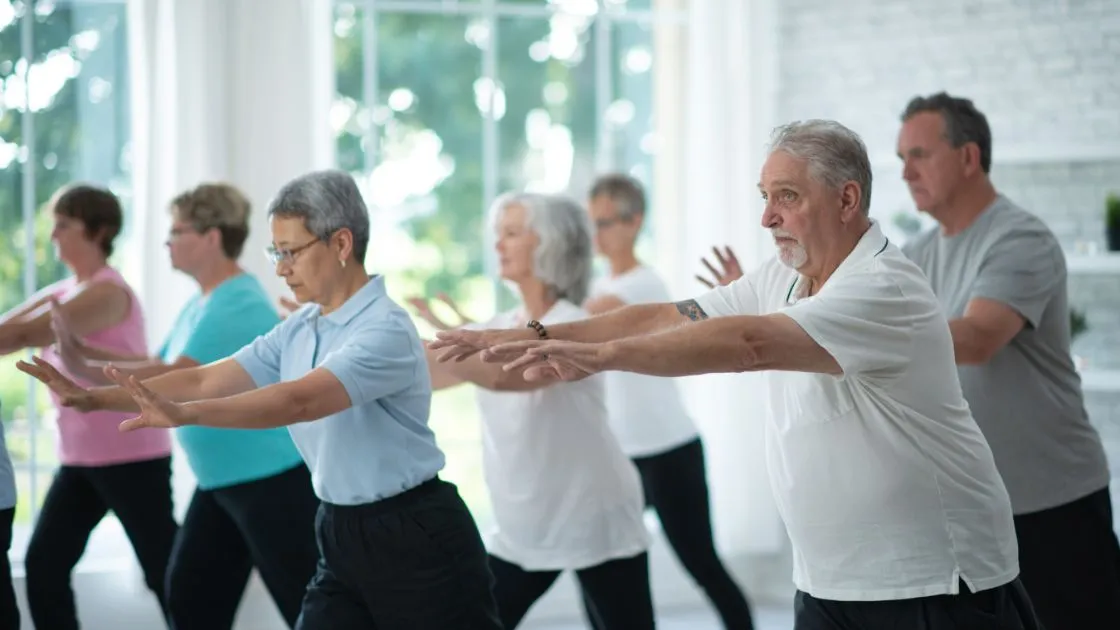


Senior fitness programs are structured exercise plans designed specifically for adults aged 65 and older, covering aerobic activity, strength training, balance exercises, and flexibility work.
The CDC recommends at least 150 minutes of moderate-intensity aerobic activity per week for older adults, alongside two or more days of muscle-strengthening activity. Programs like SilverSneakers, EnhanceFitness, and Tai Chi for Arthritis are evidence-based options available through Medicare Advantage plans and community organizations across the country.
If you train older adults, or want to, this is the market that keeps growing. The U.S. population aged 65 and older reached 61.2 million in 2024, and the demand for qualified trainers who actually understand this population is outpacing supply.
Most general fitness content either ignores seniors entirely or treats them as a single homogenous group. They are not. This guide breaks down the best senior fitness programs by type, explains how Medicare access works, and gives you a practical framework for building or recommending programs that deliver real results for your older clients.
About 93% of adults aged 65 and older have at least one chronic condition, according to the National Council on Aging. That number changes everything about how you approach program design for this population.
.webp)
Most older adults are not deconditioned because they choose to be. Chronic disease creates a cycle: pain or fatigue reduces activity, inactivity worsens the condition, and the condition makes exercise feel harder.
The CDC reports that inactivity is 30% higher among adults over 50 with at least one chronic disease. Breaking that cycle is where structured senior fitness programs earn their value.
The mental health case is just as strong. Research from Boston University found that exercising during late life may lower dementia risk by up to 45%. That is not a minor side benefit. For older clients and their families, it is often the most compelling reason to start.
Social connection matters too. Group senior fitness programs at community centers and YMCAs reduce isolation, which is a genuine health risk for older adults. Physical, cognitive, and social benefits come bundled together in well-designed programs. That is why the best ones are built around all three, not just reps and sets.
As a trainer, goal-setting with senior clients looks different from that with younger populations. “Lose 20 pounds” comes up less often. “Get back on the floor and play with my grandkids” comes up a lot.
Programs that honor those goals and deliver on them build loyalty you will not find anywhere else in fitness.
The CDC physical activity guidelines state that adults aged 65 and older need at least 150 minutes of moderate-intensity aerobic activity per week, plus two or more days of muscle-strengthening exercises targeting all major muscle groups.
That 150-minute target sounds manageable, but the reality is sobering. Only 13.9% of adults aged 65 and older met federal physical activity guidelines in 2022, according to NIH research. Most older adults are nowhere close. And this is not a motivation problem. It is an access, confidence, and programming problem, which means trainers can actually fix it.
.webp)
Moderate-intensity aerobic activity means anything that raises the heart rate noticeably but still allows conversation. Brisk walking, water aerobics, and low-impact dance classes all qualify.
For older adults with joint issues or balance concerns, these low-impact options are usually the right starting point.
The guidelines also call for balance exercises on three or more days per week for older adults at risk of falling. That is an addition, not a swap. Balance work sits alongside aerobic and strength training, not instead of it.
Building a complete weekly plan around all three components is the hallmark of well-structured senior fitness programs.
Strength training for older adults directly addresses muscle loss and declining bone density, two of the most predictable consequences of aging that structured senior fitness programs are built to slow.
Muscle loss accelerates after 60. Without resistance training, older adults can lose a significant portion of functional muscle strength over a decade. That loss shows up as difficulty standing from a chair, carrying groceries, and managing stairs.
The good news is that muscle responds to resistance training at any age. The programs below are specifically designed for older adults and deliver measurable results on muscle strength and aerobic capacity.
SilverSneakers is the largest senior fitness program in the United States, available to older adults through many Medicare Advantage and Medicare Supplement plans at no additional cost.
SilverSneakers Classic combines standing and seated strength exercises using a resistance band and a SilverSneakers ball, targeting muscle strength, range of motion, and coordination. SilverSneakers Cardio pairs low-impact aerobic movements with optional upper-body work for cardiovascular fitness.
SilverSneakers also offers live online classes and an on-demand library, which matters for older clients who prefer to exercise at home or face mobility barriers that make going to the gym difficult.
EnhanceFitness is an evidence-based group exercise program for older adults, recognized by the CDC and the National Council on Aging as a proven intervention to improve physical function and reduce health care costs.
EnhanceFitness sessions run three times per week, one hour per session, and combine aerobic exercise, strength training, balance work, and stretching.
The program is delivered by trained instructors at YMCAs, senior centers, and community organizations across the country. Research supporting EnhanceFitness shows improvements in functional fitness, lower depression scores, and lower hospitalization rates among participants.
Falls are the leading cause of injury-related death among adults aged 65 and older, with 43,020 fall-related deaths recorded in 2024, per the National Safety Council. Fall prevention programs are not optional extras in senior fitness. They are a medical priority.
More than 95% of hip fractures are caused by falls, per the CDC’s STEADI program. A hip fracture in an older adult often triggers a cascade of health decline. Effective fall prevention programs address balance exercises, lower-body strength, gait, and environmental hazards together.
The programs below are specifically designed to reduce fall risk.
Tai Chi for Arthritis and Fall Prevention, developed by Dr. Paul Lam, is one of the most widely studied fall-prevention programs for older adults. It combines slow, deliberate movements with weight shifting and single-leg balance work, all of which directly improve the neuromuscular control that prevents falls.
Stay Active and Independent for Life (SAIL) is a community-based senior fitness program that combines aerobic activity, strength training, and balance exercises into one 60-minute class, held three times per week.
It is designed for older adults at risk of falling who want a structured, supervised program.
Bingocize takes a different approach. It combines a bingo-style game with exercise and health education, making it a strong option for older adults in senior living communities who respond well to social and game-based formats. Studies show Bingocize improves functional fitness and health knowledge.
It is an NCOA-recognized evidence-based program.
For trainers designing effective online training programs for senior clients, the fall-prevention component is non-negotiable. Balance exercises three times per week, single-leg stance progressions, and heel-to-toe walks are the building blocks. The named programs above are the community delivery vehicles.
Once you've built that weekly balance protocol, you don't want to be manually re-scheduling it for every senior client. In PT Distinction, you set it once and every item, programs, check-ins, and reminders repeats automatically on each client's calendar, so the fall-prevention work actually happens consistently instead of falling off after week three.
Chair-based and low-impact senior fitness programs give older adults with limited mobility, joint pain, or post-surgical recovery needs a path into regular exercise that does not require standing stability or high joint loading.
This matters more than most trainers realize. About 28% of older adults reported falling in the past year, according to CDC fall data. A significant portion of that group avoids exercise entirely because they fear falling during a workout. Chair yoga and seated strength programs remove that barrier directly.
Chair yoga adapts traditional yoga poses for seated or standing participants who use a chair for support. It improves flexibility, joint range of motion, and breathing, and offers the added benefits of reducing anxiety and improving sleep quality in older adults. Chair yoga is offered at many YMCAs, senior centers, and online platforms.
Arthritis-appropriate exercise programs are a specific category of evidence-based senior fitness programs endorsed by the CDC for older adults managing osteoarthritis or rheumatoid arthritis.
These programs prioritize low-impact movement to reduce joint stress while still improving muscle strength, flexibility, and aerobic capacity.
The Arthritis Foundation’s Aquatic Program and Walk With Ease program both fall into this category. They are designed by physical therapists and exercise scientists and delivered through community partners, including YMCAs and senior centers.
For trainers working with clients with arthritis, bespoke workout design is always the right call. Pre-built arthritis programs provide an excellent template, but individual joint involvement, medication side effects, and flare patterns mean cookie-cutter delivery falls short.
That starts with a proper intake. PT Distinction's Assessments let you build custom tests for joint range of motion, flare history, and medication side effects, so every arthritis client gets a program built around what they can actually do that week, not a generic template.
Aquatic fitness programs for older adults use water’s natural buoyancy to reduce joint impact while still delivering meaningful aerobic exercise, muscle strength gains, and balance training benefits.
Water supports up to 90% of body weight at chest depth, which means older adults with knee or hip pain who cannot tolerate land-based aerobic exercise can often sustain vigorous effort for 45 to 60 minutes in a pool. That opens a significant door for clients who have been inactive for years.
Standard water aerobics classes combine low-impact aerobic exercise with resistance movements using water’s natural drag. The Arthritis Foundation’s Aquatic Program is a specific evidence-based option for older adults with arthritis, delivered at YMCAs and community pools nationwide.
Participants report reduced pain, improved flexibility, and better mood after regular participation.
The Aquatic Exercise Association (AEA) certifies instructors and maintains a directory of qualified aquatic fitness professionals. For trainers without a pool facility, referring senior clients to a local AEA-certified program and coordinating the land-based components is a smart hybrid approach.
Mind-body senior fitness programs improve flexibility, reduce stress, and build the proprioceptive awareness that underpins fall prevention, making them a distinct and essential category alongside purely physical training.
Flexibility declines steadily with age. Tight hip flexors, shortened hamstrings, and reduced spinal mobility all increase the risk of injury and reduce functional independence.
Mind-body programs address these directly, and they do it in formats that older adults tend to enjoy and stick with. Retention in Tai Chi and yoga programs for older adults is consistently higher than in traditional gym-based classes. That is worth noting when you are building a senior fitness business.
Beyond Tai Chi for Arthritis, older adults can access Tai Chi for Health programs covering osteoporosis, diabetes management, and general senior wellness. Each program is evidence-based, instructor-trained, and designed for community delivery at YMCAs, senior centers, and online platforms.
Platforms like Burnalong offer live and on-demand senior fitness classes, including chair yoga, gentle yoga, and Tai Chi, taught by certified instructors. SilverSneakers also maintains a full on-demand video library accessible to Medicare-eligible members.
These options matter because older adults who live rurally, face transportation challenges, or prefer home workouts need access to resources that community centers alone cannot provide.
You can close that gap yourself. Clients log workouts and check in through their own branded app, and if they wear an Apple Watch, their steps, sleep, and heart rate sync straight into PT Distinction so you can monitor an at-home senior client's progress just as closely as one you see in person
For trainers delivering online senior coaching, pairing on-demand flexibility content with a customized program experience creates the kind of client journey that generates referrals. Older adults talk to each other. A program that feels personal and actually works spreads fast in that demographic.
Many evidence-based senior fitness programs are available at no additional cost to older adults through Medicare Advantage plans, with SilverSneakers being the most widely recognized benefit in this category.
Medicare Advantage (Part C) plans are sold by private insurers and often include fitness benefits that Original Medicare does not cover. SilverSneakers is included in many Medicare Advantage plans, providing eligible members free access to gym locations, group classes, and online workouts. Members can check eligibility directly at the SilverSneakers website by entering their insurance information.
Beyond SilverSneakers, some Medicare Advantage plans include the Silver&Fit program or UnitedHealthcare's Renew Active, which offer similar gym access and fitness benefits.
EnhanceFitness is also reimbursable through certain Medicare Advantage plans and state-funded senior programs. The specifics vary by plan and region, so older adults can check their Evidence of Coverage documents or call their plan directly.
For personal trainers, understanding Medicare access is a genuine business differentiator. When you can tell a prospective senior client exactly how to access SilverSneakers through their existing plan, or explain which YMCA programs are covered, you become a trusted resource immediately. That trust converts to long-term client relationships.
According to the Population Reference Bureau, the share of U.S. adults aged 65 and older with obesity nearly doubled from 22% to 40% between 1988 and 2018. The demand for senior fitness programs that are accessible, affordable, and evidence-based is not going to shrink.
Medicare integration is the mechanism that makes those programs available to the widest possible group of older adults. Trainers who know how to navigate that system are in a strong position.
If you want to retain senior clients long-term, the strategies are not complicated. Consistency, progress tracking, and communication matter more than programming complexity. Online training retention for older adults comes down to whether clients feel seen, supported, and confident. Get those three right, and the programming almost takes care of itself.
PT Distinction's Habits tool tracks nutrition, training, and lifestyle adherence automatically, and automated reminders alone lift client adherence by over 90%. Pair that with progress charts your clients can see for themselves, and 'feeling seen' stops being a soft skill. It's something your software does for you.
The trainers who thrive in this niche are the ones who understand it from the inside out. That means knowing the programs in this guide well enough to draw on them when designing your own sessions, whether you are working 1:1, running hybrid programs, coaching online, or delivering live group training.
Once you understand the options, you might want to pursue qualifications and CPD courses and explore whether becoming a certified instructor or delivery partner for programs such as SilverSneakers, EnhanceFitness, or Tai Chi for Health makes sense for your business.
Most importantly, you can build programs for your 50+ clients around what older adults actually need: falls prevention, balance, strength, power, and cardiovascular fitness. That depth of knowledge is what separates a trainer who dabbles in senior fitness from one who becomes the go-to coach for this population.
Ready to deliver structured, trackable programs to your senior clients online? PT Distinction gives you everything you need to build and deliver personalized coaching programs, track client progress, and stay connected with older adults, whether they train at home or in the gym. Start your free 1-Month trial and see why thousands of trainers trust PT Distinction to power their coaching business.
Ready to join the family?
We'll get you up and running in no time. Start with our zero-risk free trial and build your personal training empire today.